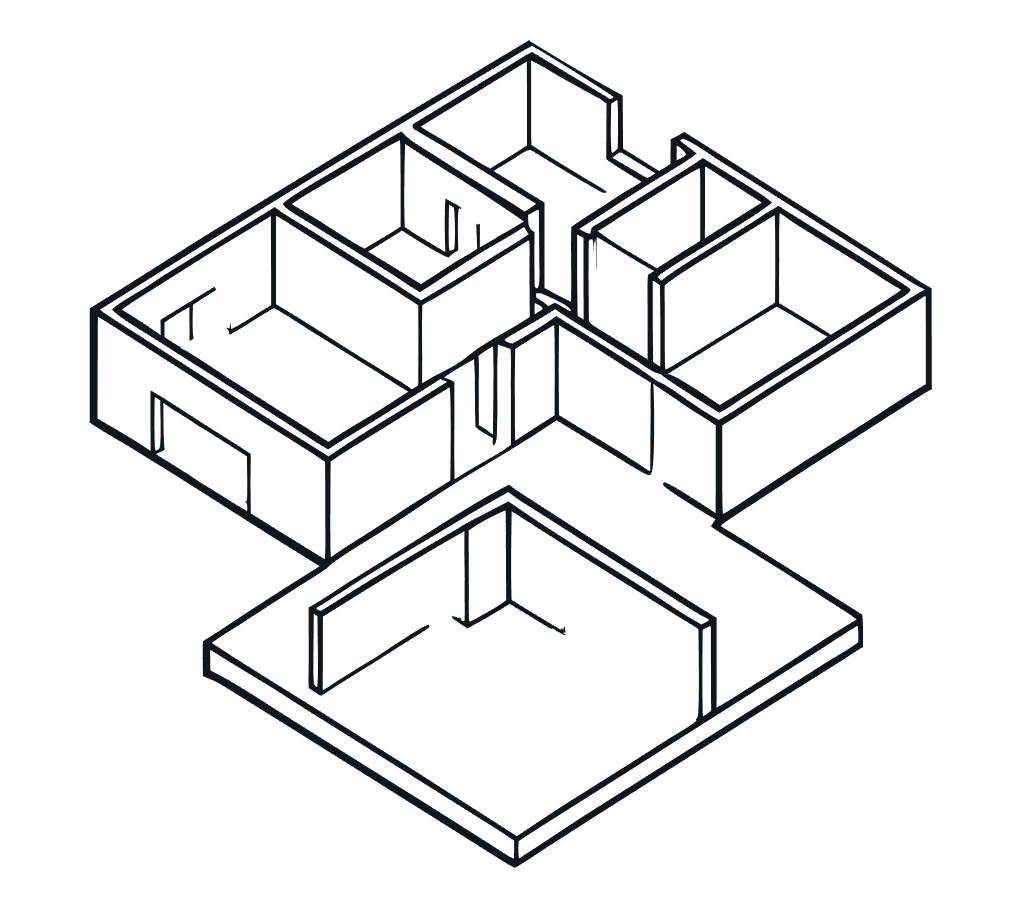
Architecture taught me that structure gives you freedom, not limits. Whether I’m working with physical materials or pixels on a screen, I think about how people actually move through a space. Good design shouldn't just look balanced, it should quietly guide intuition, solve real friction, and give intention a clear shape.
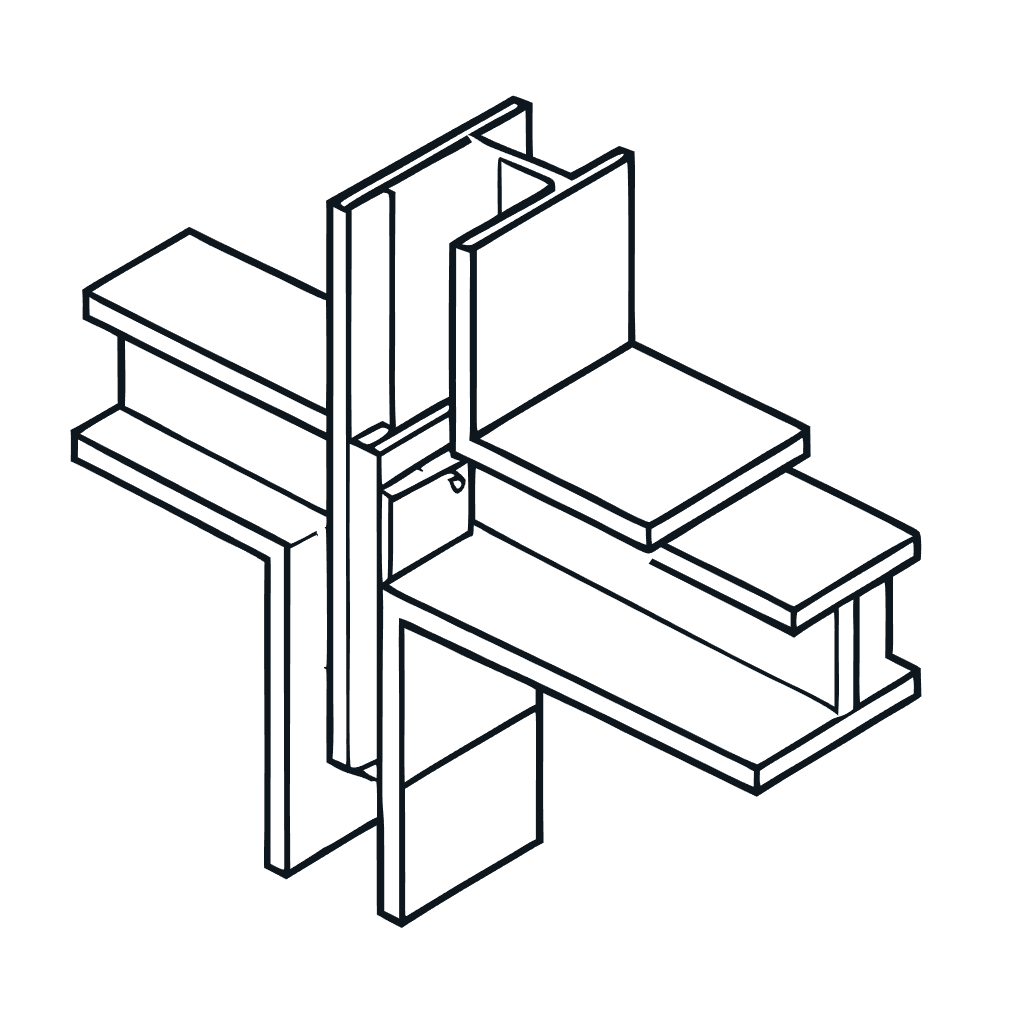
Thinking in engineering systems taught me to view design as an interconnected whole rather than isolated parts. Dealing with structural loads, material tolerances, and real-world failure points shaped how I build today. It grounds my work in reliability, ensuring every solution is structurally sound, ready to scale, and built to survive actual use.
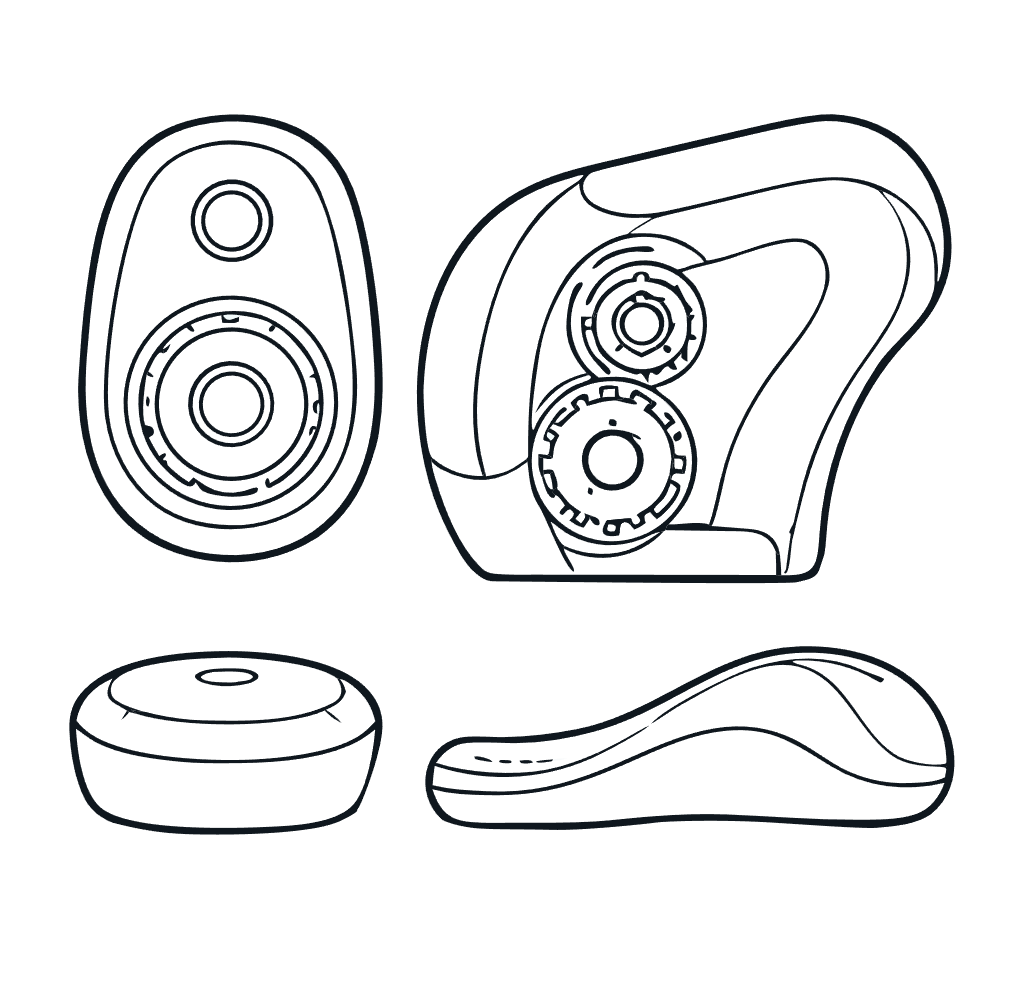
Working with physical objects taught me the value of tangible friction and real-world feedback. When a product exists in three dimensions, ergonomics, material honesty, and tactile responses cannot be faked with clever visuals. It made my process deeply hands-on, grounding my decisions in how an object feels in the hand, wears over time, and fits naturally into everyday life.
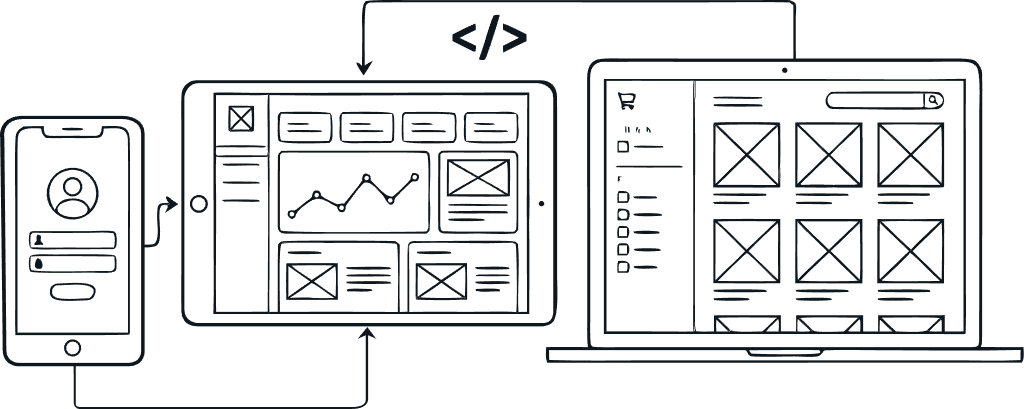
Designing digital experiences became the natural evolution of everything I built before. I brought the spatial awareness of physical spaces and the structured logic of engineering systems into complex screen workflows. Crafting these interfaces taught me to untangle dense user journeys into frictionless interactions, ensuring that deep, multi-layered logic feels effortless to navigate and genuinely responsive to human intent.